 Good Houses
Bromley
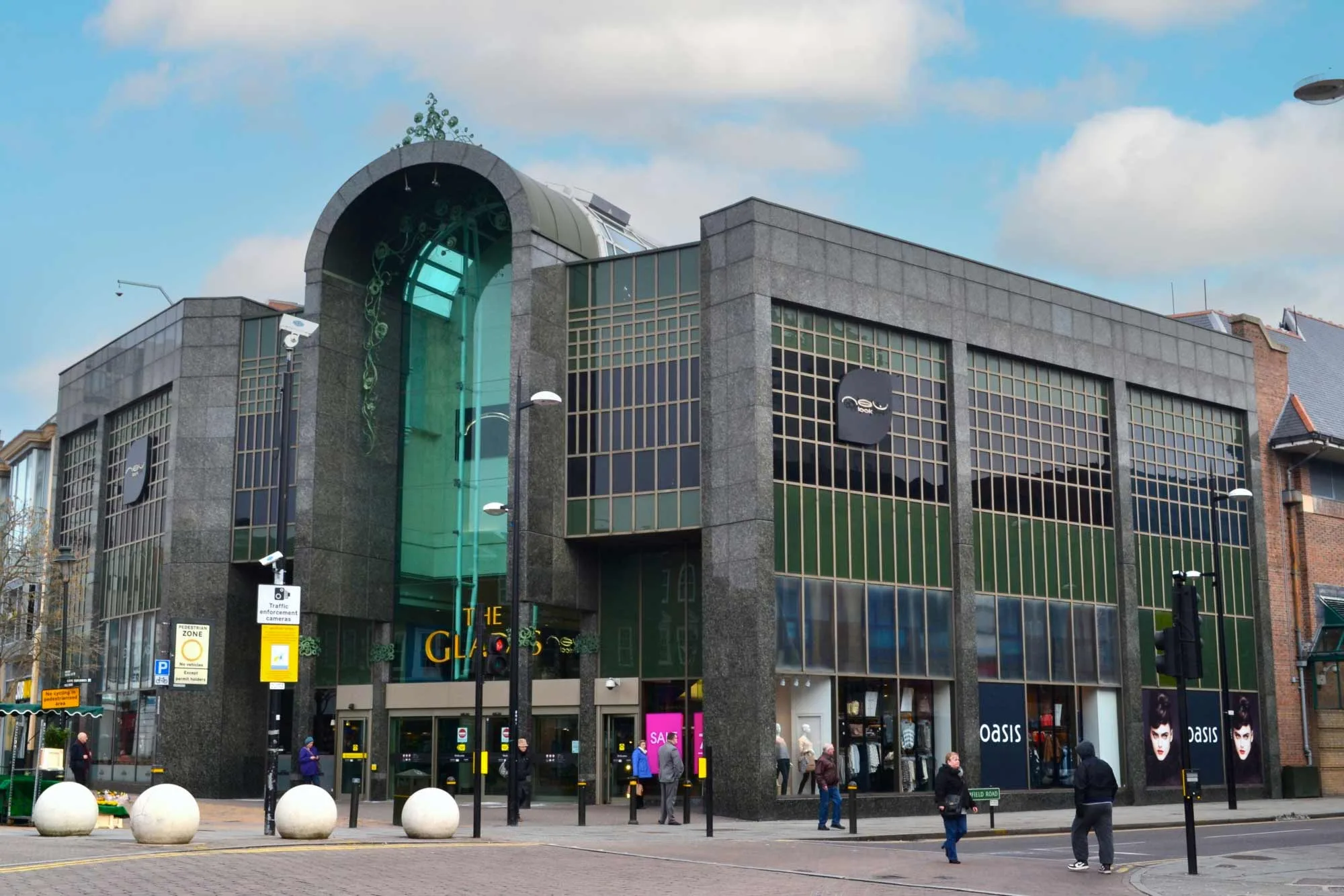
Bromley is a borough that behaves like a suburb and most people who buy houses here are buying that on purpose. It is family territory: parks and green space, schools people move for, high streets that still function and rail links that make a London commute routine rather than heroic. The housing follows the same logic. Victorian and Edwardian streets run into 1930s semis and then into newer developments, and a good share of it comes with a garden, somewhere to put a car and enough footprint to grow into. That last point shapes how owners behave. Bromley is full of houses that have already been extended once and could take more, so renovation here is rarely about rescuing a wreck. It is more often the second or third round of work on a house that was solid to begin with. Labour costs sit at London levels and trade availability is average rather than plentiful, which means booking a decent builder takes planning even where the job itself is straightforward.
Average prices
- Detached
- £1,080,024
- Semi-detached
- £654,656
- Terraced
- £486,032
- Price per m²
- £5,585
Building here
- Labour cost band
- High
- Trade availability
- Average
The stock is traditional and there is a lot of it. Victorian and Edwardian terraces and semis form the older layer, with substantial 1930s suburban housing behind it and more expensive detached houses at the top end. Newer developments fill in around the edges. For a renovator this is a comparatively predictable set of houses to work on, and much of the older stock still has obvious headroom: unconverted lofts, rear extension potential, refurbishment overdue, and energy performance that has never been properly addressed. What tends to need attention follows the age. On the pre-war houses it is roof coverings and flashings, pointing and damp at ground level, original windows, and wiring and heating installed decades after the house was built and now near the end of a second life. On the 1930s houses it is usually the same list plus solid or poorly filled cavity walls and a kitchen extension from the 1980s that has aged worse than the original building. None of this is unusual for the era; it is worth surveying properly before setting a budget, because the difference between a cosmetic refurbishment and a full strip-out on the same street can be substantial.
What adds value here
The value drivers in Bromley are practical and they are consistent. Being in a good school catchment matters, and so does being able to walk to a station rather than drive to one. A larger garden counts, off-street parking counts, and a layout that suits a family (rooms in a sensible order, a kitchen that works as the centre of the house) counts more than any single finish. Beyond location, the work that pays is the work that adds usable space or removes an obvious compromise. An extra bedroom, a loft conversion, a well-built extension, a modern kitchen and bathroom: all of these move a house up a tier of buyer. Energy efficiency now sits alongside them rather than behind them, and it shows up in how quickly a house sells as much as in what it fetches. The pattern worth understanding is that Bromley rewards competence over ambition. A three-bedroom house made properly into a four-bedroom house with a decent garden left over will out-perform something cleverer and more expensive. Quality of build shows; so does a floor plan a family can picture themselves in.
What doesn't
Expensive renovations rarely return their full cost here. Spend heavily on specification and a good deal of it stays with the house rather than coming back at sale, particularly if the money went into finishes rather than space. Some problems cannot be spent away at all. A poor layout, a very small garden, a position on a busy road or no parking will each cap what a house achieves regardless of how well it has been done up. Badly designed extensions actively hurt, and so do extensions that take too much of the garden: buyers looking at Bromley family houses are counting outdoor space, and a rear addition that leaves a strip of paving is a harder sell than the smaller house was. Heavily personalised décor is the other one. It costs money, it dates, and the next owner prices in stripping it out.
What buyers want in Bromley in 2026
Demand at the moment is concentrated on well-presented three and four bedroom family houses with a garden, parking and a workable journey to a station. That combination is what most Bromley buyers are searching for, and houses that tick all of it are moving. Ready-to-move-in is the strongest current preference. Buyers are choosing finished houses over projects, which is a shift worth noting for anyone deciding whether to sell mid-renovation: an unfinished extension or a house with the kitchen half done reads as risk rather than opportunity to most of the people looking right now. At the same time buyers are price-sensitive. They want the work already done and they are not paying an unlimited premium for it, which is why over-specified refurbishments are struggling to justify themselves. The sweet spot is a house that is complete, sensibly finished and priced in line with the street. Energy efficiency has moved from a nice extra to something buyers ask about early, and it is being weighed alongside running costs generally. Home offices are still being asked for, as is usable outdoor space rather than just square footage of garden. Anyone planning work with a sale in mind over the next year or two should read that as a case for finishing properly, insulating while the walls are open and keeping the garden intact.
Where people buy in Bromley and why
-
Bickley (BR1) Premium
Leafy, affluent and highly sought-after with substantial homes, excellent schools and a quiet suburban feel close to central Bromley.
Suits: Families seeking space, greenery and looking for something prestigious.
-
Chislehurst (BR7) Premium
Picturesque and village-like, with period homes, generous gardens and extensive green space around Chislehurst Commons, while remaining well connected to London.
Suits: Buyers wanting village character, larger homes and a greener lifestyle.
-
Petts Wood (BR5) Above average
Popular and polished, with attractive family homes, a lively high street and excellent rail connections, creating a strong balance of suburban living and commuting convenience.
Suits: Commuters and families prioritising transport, shops and community feel.
-
Orpington (BR6) Average
Broad and varied, offering everything from established suburban streets to newer developments, with strong transport links, amenities and comparatively good value.
Suits: Buyers looking for more space and value without leaving Greater London.
-
Keston (BR2) Premium
One of Bromley’s higher-value areas, known for substantial detached houses, large gardens and exclusive gated developments. Keston offers a private, semi-rural feel with plenty of space and greenery.
Suits: Affluent families seeking large homes, privacy, gated living and a countryside feel close to London.
Every price here came from someone who paid it
Not a trade estimating a job it wants to win and not a national average that fits nowhere. Real jobs, real costs, posted by the people who footed the bill.
Nothing has been posted for Bromley yet. Add yours and the picture gets sharper for everyone planning the same work here. It takes less than 3 minutes.
Add what you paidGet the Good Houses newsletter
Latest updates and data, what the work really costs, what it adds when you come to sell and more.